
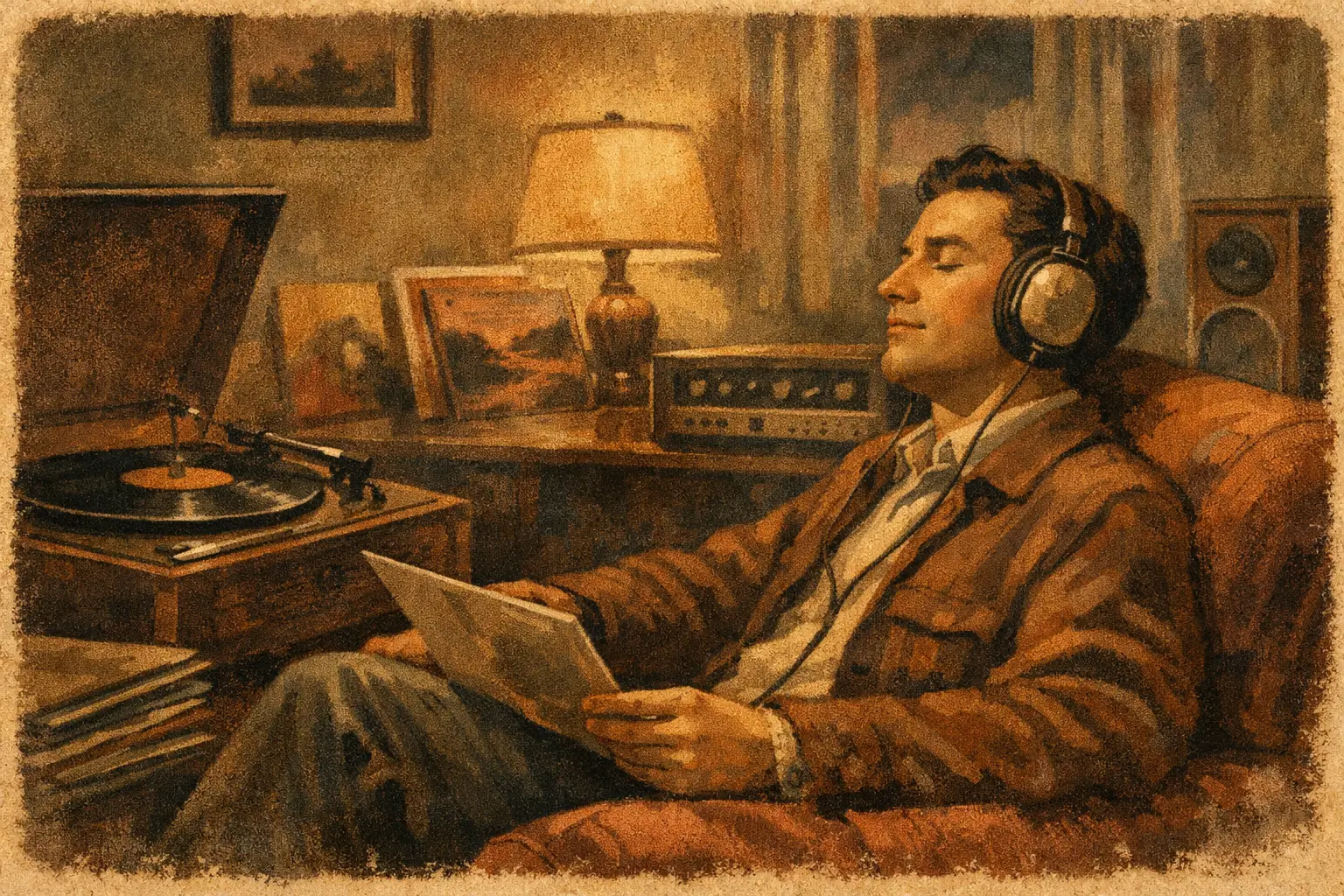
A great album can lose its shape in the shuffle. One track lands between a commute playlist and a podcast episode, another gets heard through a phone speaker while notifications compete for attention. This guide to immersive album listening is about giving a record enough space to reveal its world: the tension in the production, the weight of a lyric, the silence before the next song begins.
For listeners drawn to indie rock, alternative sound, and singer-songwriter records, immersion is not about expensive equipment or treating music like homework. It is about intention. An album is often built as a sequence of emotional scenes, with recurring sounds, shifting perspectives, and melodies that earn their impact over time. When you hear it as a complete work, songs stop being isolated files and become part of a larger story.
Start With a Listening Environment That Serves the Music
The best setup is the one that lets you focus. Quality headphones are often the simplest starting point because they bring the music closer and reduce the distractions around you. A good pair can expose small production choices: a distant guitar line, room tone around a vocal, a bass part moving beneath a chorus, or a cinematic texture that might disappear on casual playback.
Speakers offer a different kind of experience. They let the record occupy a room and can make drums, low end, and wide arrangements feel physical. That said, speaker listening depends more on the space. A treated studio is ideal, but not required. A quiet living room, a late-night drive with a well-balanced car system, or a familiar pair of bookshelf speakers can be more revealing than a technically superior system in a noisy setting.
Turn off autoplay if you can. Put the phone face down. Avoid trying to answer messages between tracks. The goal is not perfection. It is simply to remove the habits that break the album’s momentum before it has a chance to build.
Let the Album Set Its Own Pace
An immersive listen begins before the first note. Look at the title, cover art, track list, and release era. These details are not always a code to solve, but they can establish a frame. A stark image may prepare you for a stripped-down record. A surreal visual might point toward layered production or fractured storytelling. The music still has to speak for itself, yet context can sharpen the first impression.
Then press play and resist the urge to skip. Not every opening track is designed to be an immediate hit. Some records begin quietly because the artist is setting the emotional temperature. Others open with force because they want to throw you straight into the conflict. Both choices matter.
Pay attention to how one track hands off to the next. Does a final chord bleed into the following song? Does the tempo change create relief or unease? Is there a lyric in track two that makes a line from track one feel different? Sequencing is one of the clearest signs that an artist is thinking beyond the single.
A 40-minute album asks for less time than most movies, but it can create a similarly complete atmosphere. Give it one uninterrupted pass before deciding whether it works for you. First listens are for feeling the shape of the record, not grading every song.
Listen for the Center of the Record
Every album has a center, though it is not always the title track or the biggest chorus. It may be a repeated phrase, a particular guitar sound, a vocal delivery, or a question that never receives a clean answer. As the songs unfold, notice what keeps returning.
On an emotionally driven album, the center might be a tension between distance and connection. On a cinematic alternative record, it could be the contrast between organic instruments and futuristic production. These recurring elements create identity. They are why a record can feel like one place rather than a collection of unrelated songs.
Do not worry if the center is unclear on the first play. Some albums announce their purpose. Others reveal it through repetition, memory, and a second listen at the right moment.
Hear the Details Without Losing the Feeling
Close listening can become too technical if every snare sound turns into a research project. Production matters, especially in music that blends classic songwriting with experimental textures, but analysis should deepen the emotional experience rather than replace it.
Start with the vocal. Is it close and exposed, as if the singer is in the room? Is it distant, doubled, distorted, or buried inside the instruments? Vocal production is often a storytelling choice. A dry vocal can feel confessional. Reverb can make a lyric feel haunted, grand, or unreachable. Harmonies can turn a private thought into something communal.
Next, follow one instrument through a full song. Listen to what the bass does after the first chorus. Notice whether the guitar is carrying melody, rhythm, atmosphere, or all three. Hear how drums change between verses and choruses. Even a simple arrangement can evolve in ways that make the final section feel inevitable.
Space matters, too. Silence, sustained notes, feedback, and the gap before a final chorus are part of the composition. Independent artists often make careful choices with limited resources, turning constraint into character. A raw vocal, an unusual drum texture, or a less-polished edge can be exactly what makes a recording believable.
Return for a Second, More Personal Listen
The first listen belongs to the album. The second can belong to you.
Come back when your surroundings or mood are different. Listen on headphones after midnight, then revisit the record on speakers during the day. A lyric that seemed abstract may suddenly become direct. A song you overlooked may become the one you return to most. This is not inconsistency. It is evidence that the music has room to live with you.
For the second pass, choose a focus. You might follow the lyrics without reading them, listen for transitions, or concentrate on the emotional rise and fall of the track order. If you do read lyrics, do it after you have formed your own response. Seeing the words can clarify a song, but it can also narrow an image that was more powerful when you heard it your own way.
If a track stays with you, let it stand alone afterward. Add it to a personal playlist, play it in a different setting, or sit with it before moving on to the next discovery. Album listening and favorite-song listening do not compete. One gives you the full architecture; the other lets you revisit the room that matters most.
Make Immersive Listening a Real Habit
The easiest way to lose album listening is to save it for a perfect evening that never arrives. Build a smaller ritual instead. Choose one new or familiar album each week. Give it a full play during a walk, a drive, or a quiet hour at home. Keep the commitment realistic enough that it becomes part of your life rather than another task on a list.
It also helps to alternate between discovery and return. New music brings surprise, while revisiting records reveals craft. A familiar album can become more meaningful years later because you are hearing it with a different history. That is one reason timeless melodies and honest performances outlast the release cycle.
Support can be part of the experience, too. Streaming introduces you to a record, but direct purchases, artist pages, and live performances create a closer connection to the work. For an independent artist, that connection gives original compositions a longer life beyond the algorithm. Nick Duane Music is built for listeners who want to spend time with music that values individuality, atmosphere, and emotional detail.
The next time a record catches your attention, do not ask whether the first chorus is instantly playlist-ready. Give it a room, a little time, and your full attention. The songs may have been waiting for exactly that.