
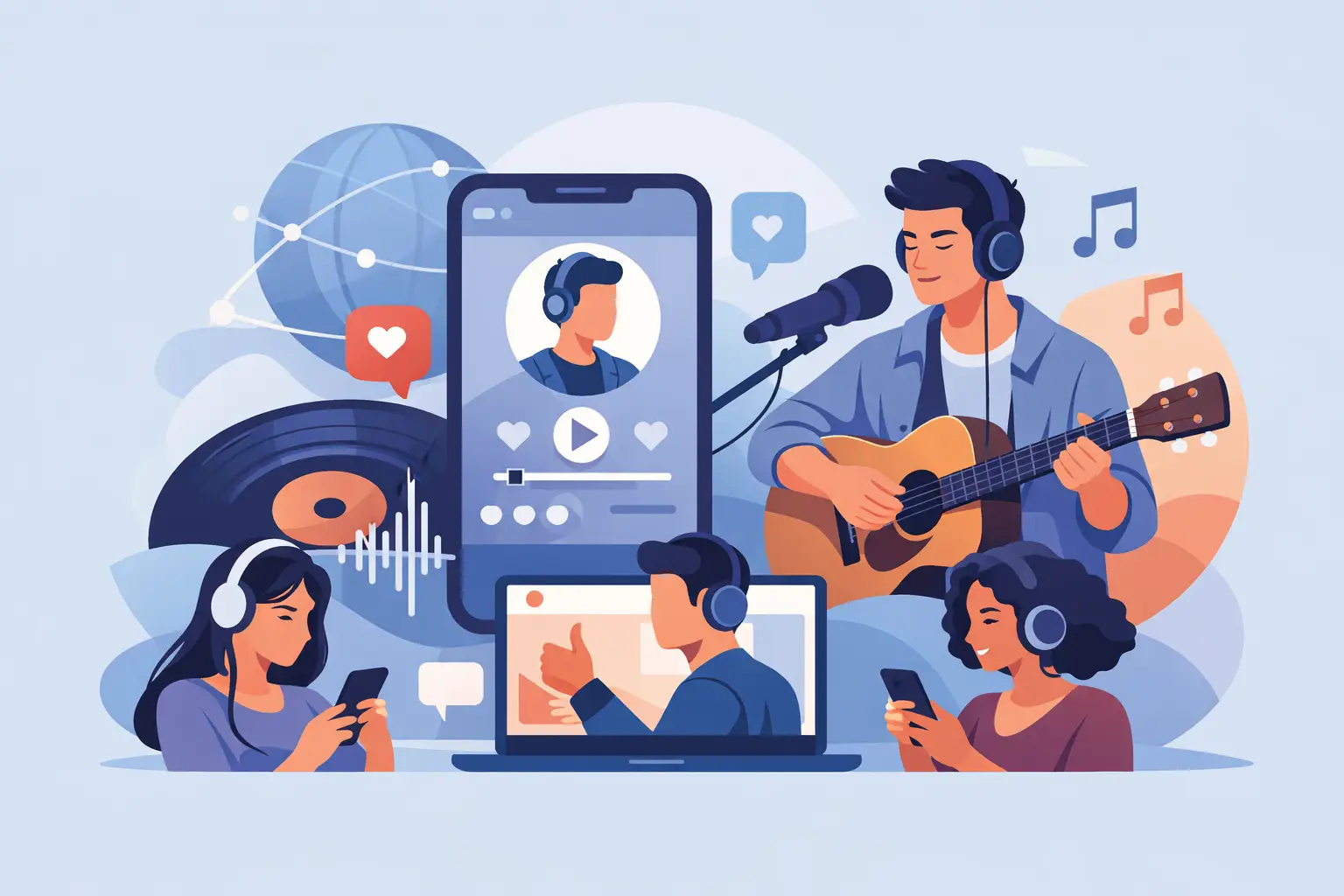
A listener hears a song at midnight, saves it, and comes back to it when the world feels louder than it should. That moment is personal. The future of direct to fan music is about honoring that connection instead of reducing it to a stream count, an algorithmic placement, or a passing trend.
For independent artists, direct-to-fan is not a rejection of streaming platforms. Spotify, YouTube, Bandcamp, and social channels remain powerful places to be discovered. But discovery is only the beginning. A lasting career takes shape when a listener has a clear path from hearing the music to entering the artist’s world – buying an album, joining an email list, attending a show, collecting a limited release, or simply returning because the work means something.
That shift matters for artists making original music with patience, identity, and emotional weight. Indie rock, alternative music, cinematic soundscapes, and singer-songwriter records are not built for the same disposable cycle as every viral clip. They deserve a home where context, craftsmanship, and connection still have value.
Why the future of direct to fan music matters
The traditional music business was built around gatekeepers. A label, radio programmer, retailer, or media outlet could determine which artists reached an audience. Digital distribution changed that equation. An independent artist can now release music globally, maintain control of the catalog, and reach listeners without waiting for permission.
The trade-off is obvious: access is easier, attention is harder. Millions of songs are available at any given moment, and a platform’s recommendation system can change without warning. Even artists with meaningful streaming numbers may have little direct knowledge of who is listening, where their strongest supporters are, or what would encourage those listeners to stay engaged.
Direct-to-fan creates a more durable foundation. It gives an artist a place to present the full story behind a release, offer music in formats that feel tangible, and communicate without relying entirely on another company’s feed. The goal is not to force every casual listener into becoming a customer. It is to give the listeners who care an honest way to go deeper.
That distinction is essential. A casual listener may add one song to a playlist. A fan may buy an album because they want the artist to keep making records. Both are valuable, but only one relationship gives the artist meaningful independence.
Streaming is the front door, not the whole house
Streaming will continue to shape music discovery. It is convenient, global, and built into daily listening habits. A new release can reach someone across the country or across the Atlantic in seconds. For a professional recording artist, that reach is too significant to ignore.
Still, streaming is best understood as the front door. It invites people in, but it should not be the only room an artist owns. When every interaction happens inside a platform, the artist is renting access to the audience. Visibility can rise quickly, then disappear just as quickly.
A direct destination changes the relationship. Instead of asking listeners only to follow a profile, an artist can invite them to experience a complete album, read the story behind the work, purchase music directly, and receive news about what comes next. That is especially meaningful for album-oriented listeners who want more than isolated tracks delivered between unrelated recommendations.
There is also a creative advantage. Direct spaces allow artists to present work on their own terms. A song can sit beside its lyrics, artwork, video, production notes, and the larger body of work that shaped it. An independent catalog becomes more than content. It becomes a living record of artistic growth.
Ownership makes artistic choices possible
The strongest argument for direct-to-fan music is not simply revenue. It is freedom.
When an artist retains control over recordings, visual identity, release timing, and fan communication, there is more room to make decisions based on the music itself. That may mean releasing a full-length album when the songs belong together, sharing an acoustic version that would never fit a playlist formula, or taking time between releases to make something with real depth.
Direct sales also make the economics clearer. A fan who purchases an album, special edition, or piece of merchandise contributes more directly than a fraction-of-a-cent stream. That does not make streaming unimportant. It means a balanced model is healthier. Streaming can introduce the music to new listeners, while direct support can help fund the recording, visual production, promotion, and time required to create the next project.
The model will look different for every artist. A touring act may build direct relationships around tickets and live experiences. A studio-focused artist may emphasize digital albums, physical editions, early access, or immersive listening experiences. The common principle is ownership: build a career around assets and relationships that remain available when platforms change.
What fans actually want from a direct relationship
Fans do not need endless messages or artificial exclusivity. Most listeners can tell when an artist is treating connection like a sales tactic. The better approach is simple: offer something worth receiving.
That might be a thoughtful note about a new song, a first listen before a public release, a behind-the-scenes look at how an arrangement came together, or an album page that makes the music feel intentional rather than buried in a feed. For fans drawn to emotionally driven vocals and timeless melodies, this context can deepen the listening experience without distracting from it.
Trust is more valuable than frequency. An artist does not need to post every day to maintain a meaningful connection. A clear update when there is real news, a release that feels complete, and a consistent artistic voice will carry more weight than constant noise.
The same is true of exclusives. They work when they add genuine value. A limited live recording, handwritten lyric print, alternate mix, or early demo can feel special because it offers a real glimpse into the process. A random digital file with no artistic purpose will not create loyalty.
Build a direct-to-fan system that feels like the music
The best direct-to-fan experience reflects the artist behind it. For music rooted in atmosphere, originality, and emotional detail, the presentation should feel focused and immersive, not cluttered with gimmicks.
Start with a clear central destination where listeners can hear the music, understand the artist’s story, and choose how they want to support the work. A visitor should not have to search for basic answers: What does this artist sound like? Where can I listen? Is there a new album? Can I buy it directly? How do I stay connected?
From there, each channel should have a distinct role. Streaming services can drive discovery. Video can add a visual dimension. Social platforms can create conversation and reveal personality. Email can provide a direct, reliable way to share release news. A store can turn appreciation into support. When these pieces point toward the same artistic identity, they reinforce each other.
It is tempting to chase every new platform, feature, and format. Usually, that spreads an independent artist too thin. A smaller number of channels maintained with care will outperform a scattered presence that feels abandoned. The right system is the one an artist can sustain while still protecting time for writing, recording, rehearsing, and living a life worth writing about.
The next era will reward depth
Artificial intelligence, short-form video, and recommendation engines will keep accelerating the volume of music competing for attention. That reality makes human identity more valuable, not less. Listeners who care about music will continue looking for artists with a point of view, a real history, and songs that hold up after the first play.
The artists who endure will not necessarily be the loudest. They will be the ones who create a recognizable world around their work and give listeners a reason to remain part of it. Nick Duane Music is built around that idea: original compositions, a distinct creative voice, and a direct path for listeners who want to hear more than the latest single.
A direct-to-fan future does not require abandoning the wider music ecosystem. It asks artists to build something beyond it. Let the platforms introduce the song, but make sure there is a place where the listener can find the artist, the catalog, and the next chapter.
Make the invitation worth accepting
Every release is an invitation. Make it specific. Give listeners a real reason to press play, return for a second listen, and choose to support the music when it moves them. The future belongs to artists who treat that choice with the same care they bring to the songs themselves.