
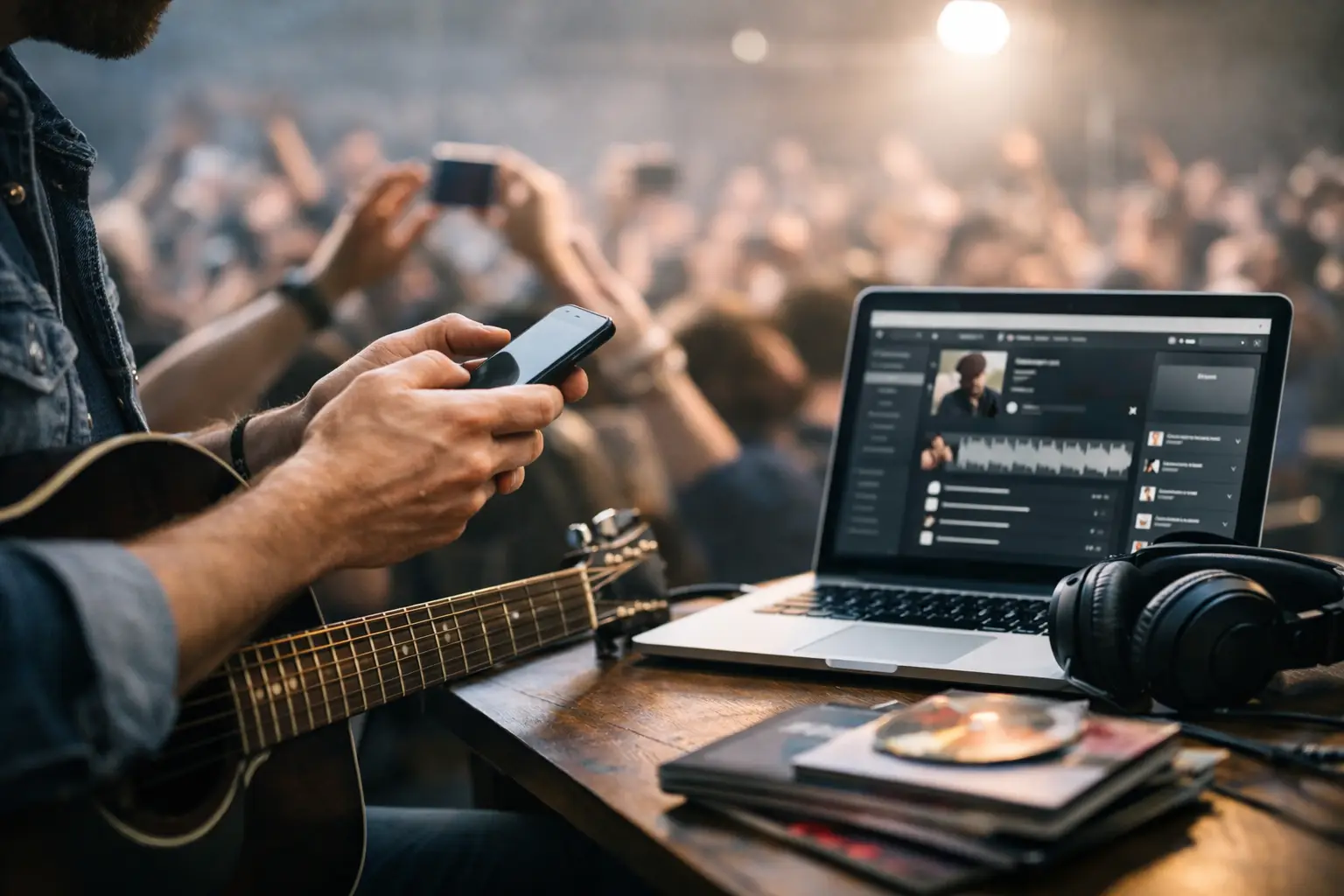
A casual stream is easy to earn. Real attention is not. That gap is exactly why direct to fan music trends matter more than ever, especially for independent artists building a career around originality instead of algorithm-friendly sameness.
For listeners, the shift is just as meaningful. Fans are no longer limited to hearing a song on a platform and moving on. They can buy directly, follow an artist’s catalog more closely, step into a deeper world around the music, and support work that feels personal. For serious indie artists, that changes the business model. For serious music fans, it changes the relationship.
Why direct to fan music trends are accelerating
Streaming still plays a major role in discovery. It puts songs in front of new listeners, helps build reach, and gives independent artists a place to exist alongside major-label releases. But streaming alone rarely creates the kind of connection that sustains a long career. It is efficient, but it is also crowded, passive, and often disposable.
That is why more artists are building direct channels around their music instead of relying on one platform to do everything. The strongest direct to fan music trends are not really about chasing a new tactic. They are about owning the relationship. When an artist can speak clearly to listeners, offer music in a more intentional format, and create a distinct experience around the catalog, the fan connection becomes more durable.
This matters most in independent music, where artistry and identity carry real weight. Fans of indie rock, alternative, and singer-songwriter work are often looking for more than convenience. They want emotional depth, artistic continuity, and a sense that the music comes from a real creative center.
The biggest direct to fan music trends right now
One of the clearest trends is the return of direct music purchases. That does not mean streaming is disappearing. It means fans are using streaming to discover and direct buying to support. For artists, that distinction is crucial. A stream can introduce the work. A direct purchase signals commitment.
Another major shift is the growth of owned fan experiences. Instead of sending every listener to the same generic platform page, artists are building environments that feel closer to an extension of the music itself. That could mean an official store, a curated album page, exclusive audio content, or a more immersive way to preview a catalog. The format matters less than the intent. The goal is to make discovery feel human and memorable.
There is also a visible move toward artist-controlled storytelling. Fans respond to context when it feels honest. They want to know what shaped a record, how a sound evolved, or where a song fits in the artist’s larger body of work. That does not mean every release needs a dramatic backstory. It means listeners value a stronger sense of authorship.
And then there is the premium on identity. In a crowded field, artists who sound distinct and present themselves with clarity are better positioned to turn casual listeners into loyal supporters. Direct-to-fan success is not built on volume alone. It is built on trust, consistency, and artistic definition.
Streaming is still part of the picture
The direct model works best when it complements streaming instead of pretending streaming does not matter. Discovery still happens on Spotify, YouTube, playlists, short-form clips, and recommendation systems. Ignoring that reality is not a strategy.
But treating streaming as the final destination is usually a mistake. The more effective approach is to let streaming do what it does well, then create a direct path for the listeners who want more. Some will stay casual. Some will follow. Some will buy. The point is not to force every listener into the same lane. It is to give the most engaged fans somewhere deeper to go.
That is where a professional independent artist can stand apart. A strong website, a well-presented catalog, direct purchase options, and a clear artist identity all signal that the music is not just content passing through a feed. It is a body of work with shape, history, and intent.
What fans actually want from artists now
Fans are more selective than they used to be, but they are also more willing to support artists who feel real. That support tends to grow when the experience feels direct, personal, and worth returning to.
They want access, but not noise. Constant posting does not automatically create connection. In many cases, it does the opposite. What works better is thoughtful visibility – updates that feel grounded in the music, the process, or the artistic world around the release.
They want convenience, but not emptiness. Streaming is convenient. Buying directly, collecting music, or exploring an artist’s catalog in a more immersive setting offers something richer. Many adult listeners still value albums, sequencing, artwork, and the emotional logic of a full release. That remains especially true in indie and alternative music, where the listening experience often matters as much as the single track.
They also want confidence from the artist. Not hype. Not inflated branding. Confidence. There is a difference. Listeners respond to musicians who present their work with clarity and professional stature while still sounding human.
Direct to fan music trends and the value of immersion
One trend worth watching closely is the move away from flat music presentation. A simple list of tracks can work, but it rarely creates atmosphere. More artists are realizing that the way music is introduced shapes how it is received.
That is especially relevant for cinematic, emotionally driven work. If the songs are layered, textured, and built for repeat listening, then the fan experience should reflect that level of craft. Interactive album discovery, visual framing, thoughtful sequencing, and direct listening pathways all help create a stronger first impression.
This is where artist websites regain importance. A platform profile is rented space. An official artist site is a home base. It gives listeners a place to experience the catalog with more context and gives the artist more control over how the work is understood.
For a brand like Nick Duane Music, that kind of presentation aligns naturally with the music itself – original compositions built with character, depth, and a long-view approach to artistry rather than quick-hit trend chasing.
The trade-offs behind the trend
Direct-to-fan sounds ideal, but it is not effortless. It asks more from the artist. Building a direct audience takes time, consistency, and a willingness to think beyond the release date. It also requires a clear sense of identity. If the presentation is vague, the direct relationship will be weak.
There is also a balance to manage between accessibility and exclusivity. Too little direct engagement, and fans never move beyond passive listening. Too much gating, and discovery starts to feel restricted. The best approach usually falls somewhere in the middle. Let people find the music easily, then reward deeper interest with a better experience.
Another trade-off is scale. Viral moments can create fast attention. Direct fan growth is slower. But slower is not always worse. In many cases, it leads to a stronger audience base because the connection is built on actual alignment, not temporary novelty.
What this means for independent artists moving forward
The artists best positioned for the next phase of direct fan growth are the ones who understand that music, presentation, and relationship now work together. The song still comes first. It always should. But the surrounding experience matters more than it used to.
That means building a catalog people can explore, not just a feed they scroll past. It means giving fans a reason to stay close after the first listen. It means treating every release as part of a longer artistic story.
It also means recognizing that direct support is emotional before it is transactional. Fans buy music, follow accounts, share releases, and return to an artist’s world because something about the work feels true. The technology changes. That part does not.
The most promising direct to fan music trends are not about replacing the old system with a new one overnight. They are about restoring value to the artist-listener connection. For independent musicians with a clear voice, a real catalog, and the discipline to build for the long term, that is not a passing trend. It is a better foundation.
The smartest move now is simple: make the music worth staying for, then give people a direct way to stay.