
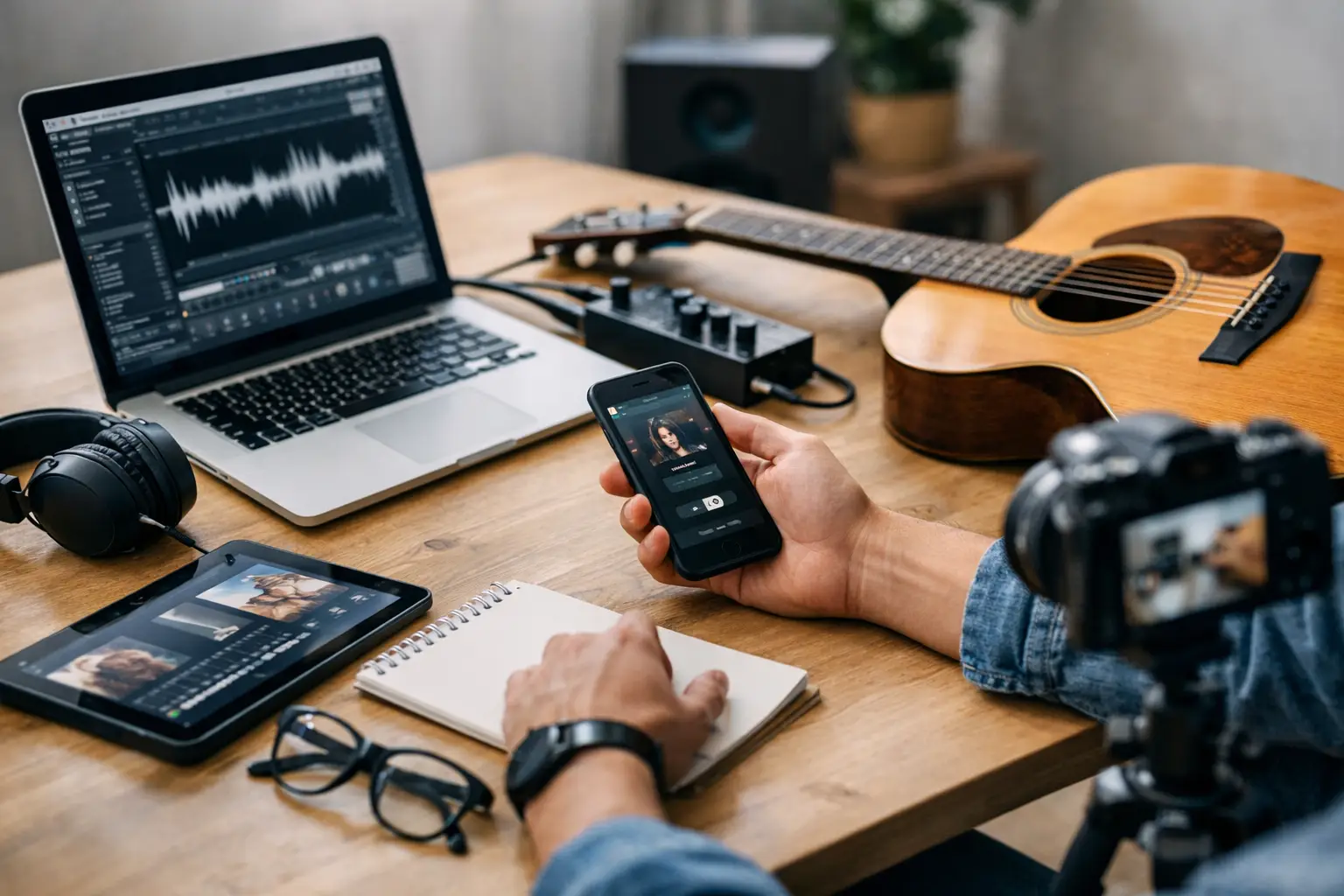
A great song can disappear fast if it lives on the wrong platform. Independent artists do not just need exposure – they need the right mix of reach, control, revenue, and real audience connection. That is why the best platforms for independent musicians are rarely just the biggest names. The strongest strategy is usually a combination of streaming, direct-to-fan sales, video, and social discovery working together.
For artists building a real catalog, not chasing a quick spike, platform choice shapes more than numbers. It affects how your music is heard, how fans remember you, and whether your career grows on your own terms. If your sound is rooted in originality, atmosphere, and emotional weight, the platform matters almost as much as the release itself.
What makes the best platforms for independent musicians
The right platform should do one of four jobs well. It should help people discover your music, help existing fans stay connected, help you earn money, or help you present your work with some level of artistic control. The strongest platforms usually do two of those things well. Very few do all four.
That trade-off matters. A streaming service may give you scale but little ownership. A direct-sales platform may bring better margins but a smaller audience. A video platform may deepen fan connection but require much more content than music alone. Independent artists win when they stop asking which platform is best in general and start asking which platform is best for the next stage of their career.
Spotify remains essential for discovery
Spotify is still one of the most important platforms for independent musicians because it is where many listeners begin. Playlists, algorithmic recommendations, artist radio, and user habits all make it a powerful discovery engine. If a listener enjoys indie rock, alternative singer-songwriters, or cinematic production, Spotify can surface your music in ways that feel organic.
The upside is reach. The downside is that reach does not always translate into strong income or durable fan relationships. Streams are useful, but they are not the whole business. For most independent artists, Spotify works best as the front door rather than the final destination.
That is especially true for musicians with a distinct identity. If your work is album-oriented or emotionally immersive, Spotify can attract first-time listeners, but you will still want a place where fans can go deeper. Think of it as visibility at scale, not full ownership of the audience.
Bandcamp is still one of the best platforms for independent musicians
Bandcamp remains one of the clearest direct-to-fan platforms available. It allows artists to sell digital albums, physical releases, and merchandise while keeping the presentation centered on the music. For serious listeners who still care about full records, liner-note energy, and supporting artists directly, Bandcamp has real value.
Its biggest strength is intent. People who visit Bandcamp are often there to buy, not just sample. That changes the relationship. A stream is passive. A purchase is commitment.
Bandcamp is especially strong for artists whose audience values originality over mass trends. If your listeners care about atmosphere, songwriting, and musical identity, they are more likely to spend time there. The limitation is obvious – it does not generate the same casual discovery volume as a major streaming service. You usually have to bring fans to it.
Still, for artists who want longevity, Bandcamp is more than a store. It is one of the few places where music still feels like art first and content second.
YouTube is where music becomes a world
Some songs need visuals. Some artists need space for context. YouTube gives independent musicians both. It is not only a video platform. It is a search engine, a long-tail discovery channel, and a place where music can live beyond the single audio file.
For artists with cinematic instincts, YouTube can be a powerful extension of the music itself. Visualizers, live sessions, lyric videos, behind-the-scenes clips, and official videos all build dimension around the songs. Fans do not just hear the work. They step inside the atmosphere.
The challenge is consistency. YouTube rewards artists who show up regularly, and that can be demanding. It also favors strong titles, thumbnails, and watch time, which means great music alone is not always enough. But if you are willing to treat your visual identity as part of the art, YouTube offers depth that streaming platforms cannot match.
Apple Music brings credibility and quality perception
Apple Music may not always dominate the conversation, but it still matters. Its audience often includes committed music listeners who value sound quality, full albums, and a more premium listening experience. For independent artists, being present on Apple Music supports credibility and expands access to listeners who do not live inside the Spotify ecosystem.
It is not usually the most community-driven platform, and it is not where artists build direct relationships as easily. But it belongs in a serious release strategy because it meets listeners where they already are. Ignoring it leaves part of the audience behind.
In practical terms, Apple Music is less about constant social momentum and more about professional presence. If your catalog is polished and your artistic identity is clear, it deserves to be there.
TikTok can move fast, but it is not built for every artist
TikTok has changed music discovery, but it is also one of the most misunderstood platforms for independent musicians. Yes, it can create sudden attention. Yes, it can push a song into new circles quickly. But it tends to reward moments more than bodies of work.
For some artists, that is useful. A compelling hook, a memorable lyric, or a visually distinctive clip can bring a surge of interest. For others, especially artists building immersive albums or emotionally layered songs, the format can feel reductive.
That does not mean it should be ignored. It means it should be used carefully. TikTok works best when artists adapt the platform to their identity rather than flattening their identity to fit the platform. Short-form content should lead people toward your deeper world, not replace it.
Instagram still matters for presence and trust
Instagram is no longer the only social home for musicians, but it remains valuable because it helps listeners verify that the artist is active, real, and invested. It is where many fans check for release updates, visuals, short performance clips, and signs of creative life.
For independent musicians, Instagram often works less as a discovery machine and more as a trust layer. It supports the brand around the music. A polished visual presence, thoughtful captions, and consistent updates can reinforce professionalism without feeling corporate.
The risk is spending too much energy maintaining an image instead of making music. That balance matters. Social media should support the songs, not become the whole identity.
Your own website is the platform you actually control
Every independent artist needs one place online that is fully theirs. Not rented space. Not algorithm-driven space. Owned space. A website gives you that.
This is where your biography, catalog, visuals, store, press credibility, and calls to action can live in one coherent experience. It is also where fans can move from curiosity to commitment without distractions from competitors, trending clips, or endless scrolling.
For artists with a clear sound and long-term vision, a website is not optional. It is the anchor. Streaming platforms may introduce the music. Social platforms may amplify it. But your website is where the full story becomes legible.
That matters even more for artists building a professional independent brand. A focused site can present original releases, direct purchases, video content, and artist history in a way that feels intentional. It shows that the music is not a hobby being uploaded into the noise. It is a body of work with identity and direction.
The best platform mix depends on your goals
If your goal is discovery, Spotify and YouTube should be central. If your goal is direct revenue, Bandcamp and your own website deserve more attention. If your goal is conversation and visibility between releases, Instagram can still do useful work. If your goal is rapid exposure, TikTok may help, but only if the format suits your music and personality.
Most independent artists need a layered approach. Release the music on major streaming services so listeners can find it easily. Give serious fans a place to buy and support directly. Build visual and narrative depth through video. Keep one central home base where your catalog and identity are presented with clarity.
That is a more durable model than chasing whichever app is hot this month. Trends move fast. A strong artist ecosystem lasts longer.
For a serious independent musician, the question is not which single site will do everything. It is which combination helps your songs travel, your audience grow, and your career stay yours. Choose platforms that respect the work, not just the metrics. The right listeners can feel the difference.