
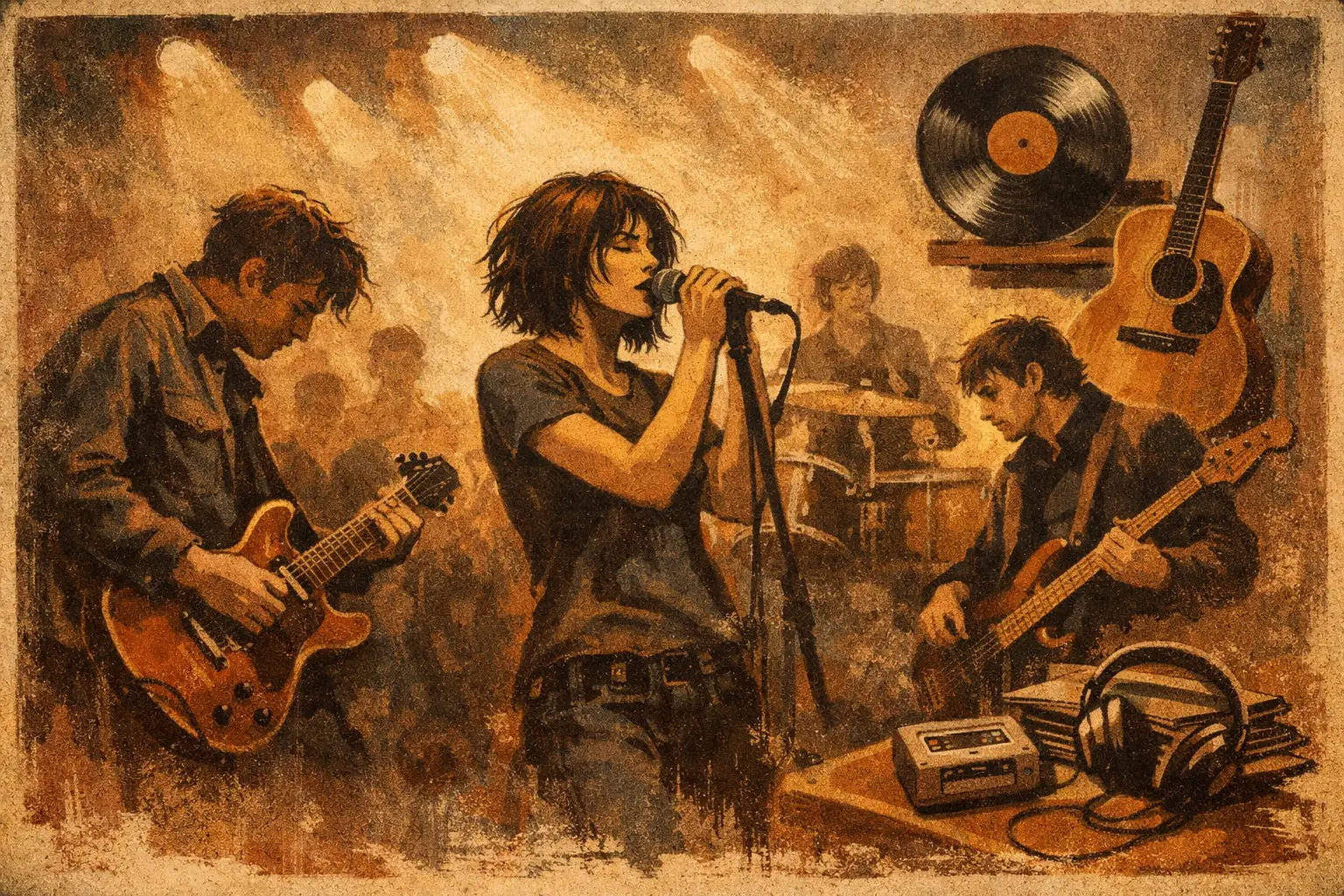
A polished chorus, a rough guitar edge, a lyric that feels half-confession and half confrontation – that tension sits at the heart of alternative rock characteristics. The genre has always lived in the space between melody and abrasion, craft and instinct, accessibility and resistance. That is exactly why it continues to matter to listeners who want more than a disposable hook.
What alternative rock characteristics really mean
Alternative rock is not one fixed sound. It is a mindset expressed through sound choices, songwriting decisions, and attitude. When people talk about alternative rock characteristics, they are usually pointing to a recognizable mix of distorted or textured guitars, emotionally direct vocals, introspective lyrics, and arrangements that avoid the polished predictability of mainstream pop-rock.
The catch is that alternative rock has always absorbed outside influences. Post-punk, punk, new wave, grunge, indie rock, shoegaze, electronic music, and even folk have all left fingerprints on the style. So the real question is not whether every alternative rock song uses the same ingredients. It is whether the song carries a distinct identity, a certain tension, and a refusal to sound overly manufactured.
The core sound of alternative rock characteristics
The guitar is often the first clue. In alternative rock, guitars rarely exist just to hold chords in the background. They create atmosphere, friction, and personality. Sometimes that means a jagged, overdriven riff. Other times it means chorus-heavy clean tones, layered feedback, or a part that drifts more than it attacks. The point is expression, not perfection.
Bass and drums matter just as much. A strong alternative rhythm section often feels more conversational than mechanical. The bass might carry the melody in one section and disappear into the groove in another. Drums can be tight and punchy, loose and raw, or even hypnotic. There is usually a physicality to the rhythm, but not always a glossy one.
Vocals are another defining trait. Alternative rock singers do not need technically perfect delivery to be effective. In many cases, a voice with character beats a voice with polish. Breath, strain, fragility, urgency, and restraint all play a role. Some singers sound detached, some sound wounded, some sound explosive. What connects them is credibility. If the performance feels too calculated, it usually drifts away from the genre’s center.
Production is where the trade-offs become obvious. Some alternative rock records thrive on rawness. Others use cinematic layering and ambitious studio textures. Both approaches can work. The difference is whether the production supports the emotional truth of the song or smooths it into something anonymous. A huge mix can still feel personal. A stripped-down recording can still feel carefully built.
Songwriting that values identity over formula
One of the strongest alternative rock characteristics is how songs are written. The genre often respects melody, but it does not always chase the cleanest or most obvious path. Choruses can be massive, but they can also be understated. Verses may feel sparse and uneasy before opening into something wider. Dynamics matter a lot.
This is where alternative rock separates itself from more formula-driven formats. The songs often leave room for ambiguity. Lyrics may not explain everything. Hooks may arrive sideways instead of announcing themselves. A track might build around mood first and payoff second. For listeners who like music that unfolds over time, that is part of the appeal.
That said, alternative rock is not automatically obscure. Some of the best records in the genre are deeply memorable. The difference is that memorability tends to come from atmosphere, emotional detail, and repetition with purpose rather than purely commercial structure.
Lyrical themes in alternative rock
Lyrics in alternative rock usually lean inward, but not always softly. Alienation, memory, identity, desire, social tension, regret, and emotional dislocation show up again and again. The writing often feels personal without becoming overly neat. There is room for contradiction.
A good alternative lyric can sound intimate and still leave mystery behind. It might sketch an emotional state instead of spelling out a plot. It might use surreal images, fragmented thoughts, or stark plainspoken lines. Either way, the writing tends to reject empty slogans. It wants to reveal something real, even if that truth arrives indirectly.
The emotional contrast that defines the genre
If there is one quality that ties the genre together, it is contrast. Alternative rock often pairs beauty with abrasion. A shimmering guitar part might sit against a lyric about collapse. A warm vocal melody might ride over a tense rhythm track. A song can sound expansive while describing isolation.
That contrast is not accidental. It is one of the reasons the genre has such staying power. Music that only sounds dark can become one-note. Music that only sounds sweet can feel weightless. Alternative rock tends to live in the middle, where conflicting emotions make the song feel human.
Listeners who connect with cinematic and emotionally driven music usually hear this immediately. The atmosphere is not there as decoration. It is carrying the emotional architecture of the song.
How alternative rock characteristics changed over time
The genre’s early waves were shaped by resistance to mainstream rock conventions. College radio, underground scenes, and independent labels gave artists room to sound stranger, leaner, and more personal. That foundation matters because it established the genre’s core value system – originality first.
By the 1990s, alternative rock became commercially powerful, which created a paradox. The sound reached a massive audience, but success also invited imitation. Grunge, Britpop, and more melodic post-punk-inspired acts all fell under the alternative umbrella, even when they sounded very different from one another.
In the 2000s and beyond, the term expanded further. Some artists brought in electronic textures. Others leaned into lo-fi intimacy or arena-sized dynamics. Today, alternative rock can include records that feel raw and guitar-driven alongside records that are layered, atmospheric, and genre-blended. The common thread is still artistic identity.
What stays consistent
Even as production styles change, several alternative rock characteristics remain stable. The music values mood. It values vocal character. It values songs that sound lived-in rather than focus-tested. And it usually leaves some rough edges in place, whether those edges come from performance, tone, lyric, or structure.
That is why the genre keeps renewing itself. It is broad enough to evolve, but specific enough to remain recognizable.
Why these characteristics still matter now
For many listeners, alternative rock offers relief from music designed to disappear after one cycle. It rewards repeat listening. Details emerge gradually. A guitar line that seemed secondary becomes essential. A lyric hits differently months later. The production reveals depth without sacrificing feeling.
This matters even more in a streaming-heavy culture. When everything competes for instant attention, music with real identity stands out. Alternative rock characteristics support that identity because they prioritize voice, mood, and emotional risk over trend compliance.
That is also why independent artists continue to thrive in this space. The genre has always made room for musicians who build a world instead of chasing a formula. For an artist-driven catalog like Nick Duane Music, that connection is natural – timeless melodies, immersive textures, and original compositions with passion and excellence all fit the deeper expectations of alternative listeners.
How to recognize alternative rock without reducing it
The easiest mistake is trying to reduce the genre to a checklist. Distorted guitars alone do not make a song alternative rock. Neither do moody lyrics or an indie haircut. Context matters. Intention matters. So does the balance between composition and personality.
A better way to listen is to ask a few simple questions. Does the song sound like it needed to exist in this form, or could any artist have made it? Does the production add emotional depth, or does it flatten the performance? Does the vocal feel inhabited? Does the track create tension between beauty and disruption?
If the answer is yes, you are probably hearing the real substance behind alternative rock characteristics rather than just the surface styling.
Alternative rock endures because it gives artists room to be sharp, vulnerable, melodic, strange, and fully themselves at once. That mix is hard to fake, and when it is done well, it does not just fill a playlist – it leaves a mark.