
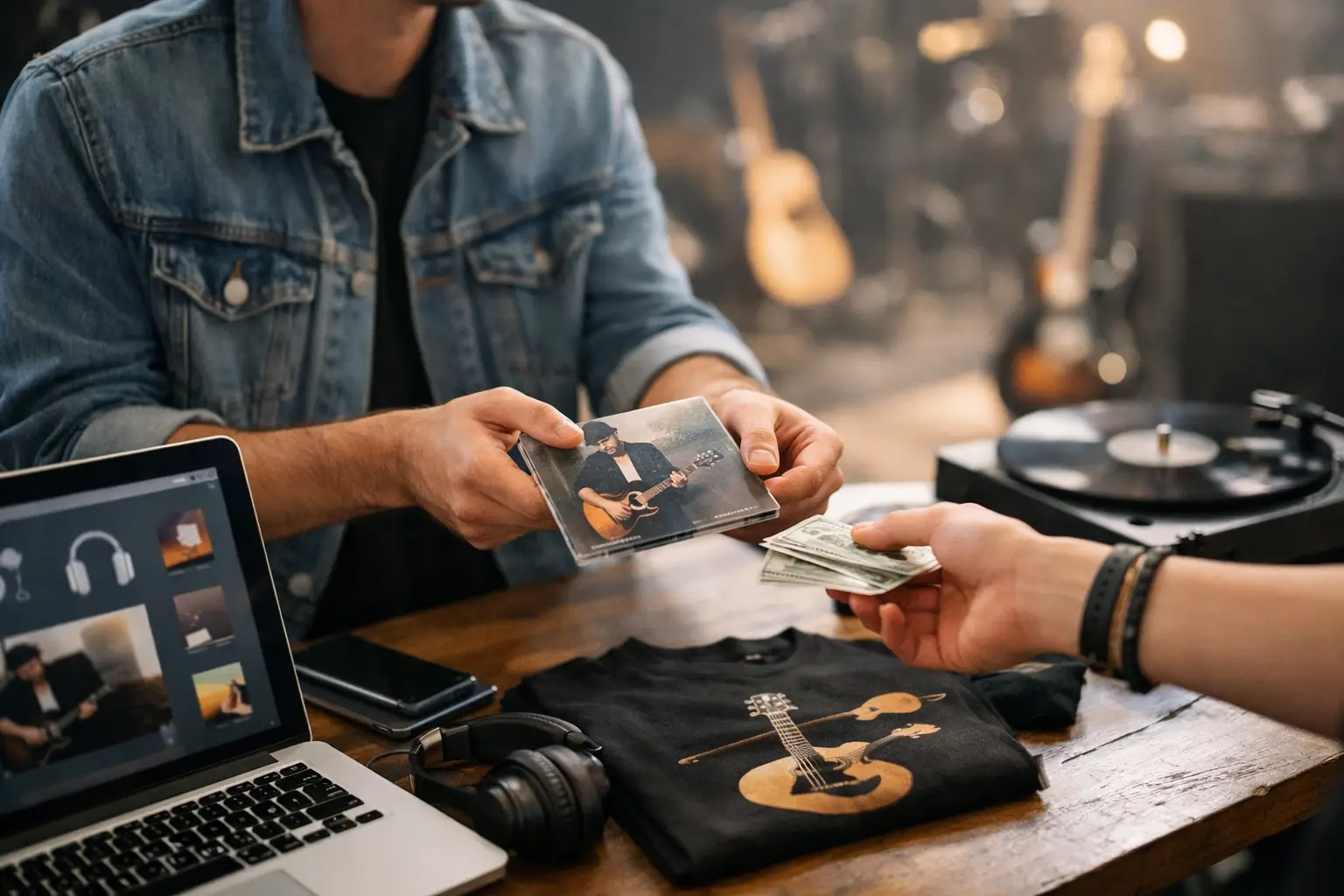
A listener streams a song once, maybe twice, then the algorithm moves on. A fan who chooses to buy a track, an album, or a special release is making a different statement. That is the real value of direct to fan music sales. It is not just about revenue. It is about commitment, identity, and building a music career on something more solid than passive plays.
For independent artists, that difference matters. Streaming can create reach, visibility, and discovery. It can put a song in front of new ears across the world. But discovery is only the first stage. If the goal is artistic longevity, the stronger move is turning listeners into supporters who want a direct connection to the music and the person creating it.
What direct to fan music sales actually change
When someone buys music directly from an artist, the relationship becomes clearer. There is no middle layer shaping the entire experience, no platform deciding how much of the purchase is visible, and no confusion about where the support is going. The fan knows they are backing the artist. The artist knows exactly who showed up.
That clarity changes the business side and the emotional side at the same time. Financially, direct sales usually return a stronger margin than streaming. Artistically, they create a space where the music can be presented with more intention. An album does not have to fight for attention inside an endless feed. It can be experienced as a complete work.
For listeners who care about indie rock, alternative music, singer-songwriter craft, or cinematic sound, that matters too. These audiences are not only collecting tracks for convenience. They are looking for records with atmosphere, songwriting with weight, and artists with a point of view. Buying directly becomes part of how they support originality.
Direct to fan music sales vs streaming
This is not a case of one replacing the other. It is more accurate to say they do different jobs.
Streaming is built for access. It helps people discover songs quickly, sample a catalog, share tracks, and revisit music with no friction. For independent artists, it is a practical way to stay present where audiences already listen. Ignoring streaming would be shortsighted.
Direct to fan music sales serve a deeper purpose. They create ownership, not just access. They give committed listeners a way to go beyond casual support. They also give artists more control over pricing, release formats, presentation, and fan experience.
There is a trade-off, of course. Streaming reaches more people with less resistance. Direct sales ask for a stronger decision. Not every listener will make that leap, and that is fine. The goal is not to force every stream into a purchase. The goal is to recognize that your most engaged audience wants a path that feels more personal and more meaningful.
That is where direct sales become powerful. They are not for everyone. They are for the people who hear something real and want to stand behind it.
Why serious listeners still buy music
The common assumption is that people no longer buy music. That is only partly true. Casual listeners often do not. Real fans still do, especially when the artist gives them a reason.
Some buy because they want to support independent work in a direct way. Some buy because they value sound quality, album sequencing, artwork, or the feeling of owning something intentionally released. Others buy because the artist has earned their trust over time, and purchasing music becomes a natural extension of that connection.
For album-oriented audiences, direct buying still carries weight. A complete release feels different from isolated singles floating through playlists. When the songs have emotional range, strong production choices, and a clear artistic identity, fans are more willing to invest.
This is especially true for artists whose music is built on mood, atmosphere, and songwriting depth rather than trend cycles. A listener who connects with timeless melodies, textured arrangements, and emotionally driven vocals is often looking for more than background sound. They want the full world behind the music.
The artist gains more than money
The most obvious benefit of direct sales is better revenue per fan. That matters. Independent music takes time, equipment, design, recording, promotion, and relentless consistency. Better margins make it easier to keep creating without compromising the work.
But the long-term benefit is stronger than the immediate sale. Direct buyers are often the listeners most likely to return for future releases, join a mailing list, follow performances, and pay attention to what comes next. They are not drifting through a feed. They are choosing an artist.
That choice becomes part of career stability. A smaller audience that buys, shares, and stays engaged can be more valuable than a much larger audience that only skims past the music. Visibility looks impressive, but loyalty carries more weight over time.
This is one reason direct-to-fan strategy works so well for independent artists with a defined sound. If the music has character, and the artist presents it with confidence, direct support tends to follow from the people who truly connect with it.
How to make direct sales feel worth it
Fans do not buy music directly out of obligation. They buy when the experience feels distinct.
That starts with presentation. The music should not feel like an afterthought tucked behind a generic purchase button. The release needs context. Why does this song matter? What mood does the album carry? What kind of listening experience is being offered? When the storytelling is strong, the music has a stronger frame around it.
Format matters too. Some fans want simple digital downloads. Others respond to album bundles, alternate versions, exclusive artwork, or immersive ways to explore the catalog. The key is not to overcomplicate it. It is to make the purchase feel intentional and artist-led.
Pricing also depends on audience and genre. A low price can reduce friction, but pricing too low can also flatten perceived value. On the other hand, premium releases only work if the audience sees clear artistic or collector value. The right approach depends on how established the artist is, how engaged the fan base already feels, and how the release is being positioned.
Trust plays a role here as well. A professional artist presence, a clear body of work, and consistent quality all make buying feel safer and more rewarding for the listener. People support music more readily when they believe the artist is serious, original, and committed for the long haul.
Why artistic identity matters in direct to fan music sales
Direct selling works best when the artist stands for something recognizable. If the music feels interchangeable, fans have less reason to seek out a direct relationship. But when an artist has a clear identity, the purchase becomes part of belonging to that world.
That identity can come through sound, visuals, biography, performance history, or simply the consistency of the work itself. A professional recording artist with a distinctive catalog has an advantage here. Fans are not only buying files. They are buying into a body of work and a creative point of view.
This is where independent credibility matters. Listeners who are tired of formula tend to notice when an artist is building something original with discipline and craft. They respond to music that feels lived in, not manufactured. Direct support grows more naturally when the artist’s voice is unmistakable.
For that reason, artists should not treat direct sales as a detached storefront strategy. It should feel connected to the entire identity of the project. The same care that goes into songwriting, production, and visuals should carry through to the way the music is offered.
A better model is both wide and direct
The strongest approach is rarely all streaming or all direct sales. It is a combination of open discovery and intentional conversion.
Streaming platforms, video channels, and social media can introduce the music to new listeners. Direct sales give the most invested fans somewhere deeper to go. One channel builds awareness. The other builds durability.
For an independent artist, that balance is practical and creative at once. It allows the music to stay accessible while still protecting its value. It invites casual listeners in without limiting the artist to low-value attention alone.
That is why direct sales still matter. Not because they belong to an older model, but because they answer a need that streaming cannot fully meet. They create a cleaner exchange between artist and listener, where the music is not just consumed but chosen.
If you are building a catalog meant to last, that kind of choice is worth more than a passing play. It is how a career starts sounding less temporary and more like something with real staying power.