
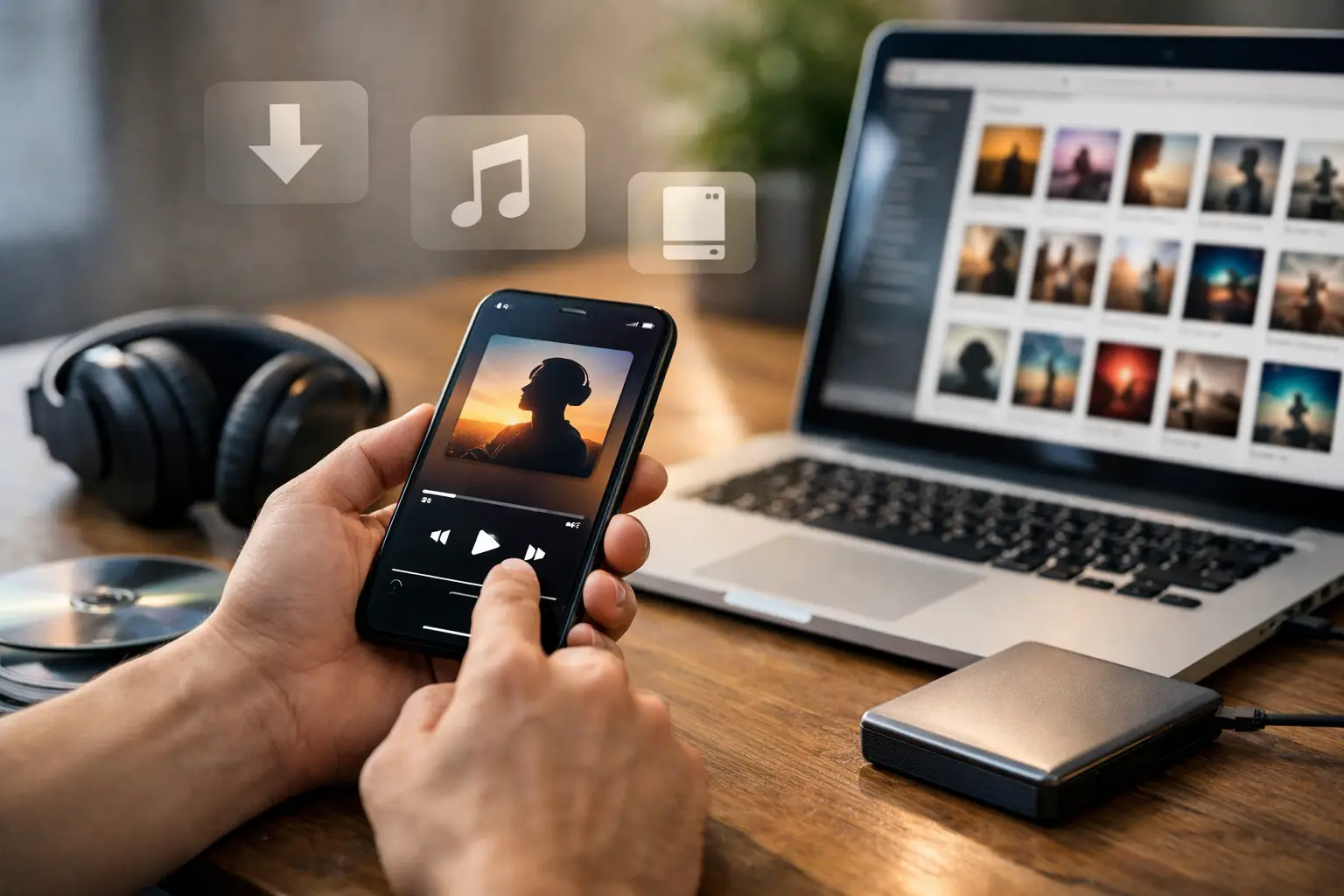
A great album is more than a few tracks saved in a queue. It is a complete body of work: the opening atmosphere, the lyrics that land differently on a second listen, the sequence that turns separate songs into a story. Learning how to buy digital albums gives you a way to keep that experience close, without relying on a subscription, an algorithm, or a platform changing its catalog.
For listeners who value original compositions, cinematic detail, and timeless melodies, digital ownership is a practical choice with real artistic value. You get a high-quality copy of the music, and the artist receives more direct support than they typically do from a stream.
Why buy a digital album instead of only streaming?
Streaming is excellent for discovery. It lets you follow new releases, sample unfamiliar artists, and keep music moving through your day. But a stream is access, not ownership. If a service removes an album, changes its terms, or you end your subscription, your saved music may no longer be available.
When you buy a digital album, you receive downloadable files that you can store on your computer, phone, music player, or backup drive. You can listen offline, build a personal library, and return to the record years from now on your own terms.
There is also a human side to the decision. Independent artists put serious time, money, and creative risk into writing, recording, mixing, mastering, artwork, and promotion. A direct purchase can make a meaningful difference. It says that the music was not simply background noise. It was worth keeping.
That does not mean streaming has no place. Many listeners use both: streaming for discovery and day-to-day listening, then purchasing the albums that become part of their personal soundtrack.
How to buy digital albums from the right source
The process is simple, but where you buy matters. Start with an artist’s official website or their preferred direct-to-fan store. This is often the best route if your goal is to support the musician as directly as possible. Official stores may also include bonus material, digital booklets, alternate artwork, or higher-quality file options.
Artist-focused music stores are another strong option, especially for independent and alternative releases. They usually make it clear whether you are purchasing a download, what audio formats are included, and how many times you can download the files.
Large digital music retailers can be convenient if you want everything in one account. The trade-off is that the artist may receive a smaller portion of the sale, and the listening experience can feel less personal. For fans invested in a musician’s long-term work, buying from the artist whenever possible is usually the stronger choice.
Before completing a purchase, confirm that you are buying the album itself rather than adding it to a streaming library. Look for language such as “digital download,” “buy album,” or “download in MP3, FLAC, or WAV.” A clear purchase page should also show the price, track list, available formats, and download instructions.
Choose the digital music format that fits your listening
The best format depends on how and where you listen. You do not need the largest file available just because it is available. The right choice is the one that sounds great on your system and works with your devices.
MP3: flexible and easy to use
MP3 remains the most widely compatible option. The files are smaller, transfer quickly, and play on nearly every phone, computer, car stereo, and portable player. A high-quality MP3 is a sensible choice for everyday listening, especially if storage space matters.
For most listeners, a properly encoded MP3 delivers an enjoyable experience. The difference between formats becomes more noticeable with revealing headphones, studio monitors, or a dedicated home listening setup.
FLAC: high quality without the massive file size
FLAC is a lossless format, meaning it preserves the full audio information from the master without the compression used in MP3 files. It is popular with listeners who want detailed sound and have players that support it.
FLAC files are larger than MP3s, but they are generally manageable on modern computers and phones. If you care about the texture of a vocal, the space around a guitar line, or the depth of an atmospheric production, FLAC is often the best balance between fidelity and practicality.
WAV and AIFF: full-resolution files for serious archives
WAV and AIFF files are also lossless and are common in professional recording environments. They can be ideal for archival storage or high-end playback, but they take up more space and may not carry as much built-in metadata as other formats.
If a store lets you download multiple formats, consider keeping FLAC or WAV as your archive copy and using MP3 files for your phone or car. You do not have to choose one format for every purpose.
Complete your purchase and save the receipt
Once you have selected the album and format, enter your payment information through the store’s checkout process. Use a secure payment method and make sure the page is part of the official artist or retailer storefront. A professional store should clearly identify the seller and provide a confirmation after purchase.
Save the confirmation email or receipt. It proves your purchase and can be useful if you need to download the album again later. Some platforms place downloads in your account library, while others provide a one-time link by email. Read the instructions before closing the page.
If you are buying a release as a gift, check whether the store offers a gift option or lets you download the files before sending them. Sending music files directly can be awkward and may not preserve the recipient’s own purchase record. A store-issued gift is usually cleaner when available.
Download your album safely and completely
After checkout, download the files over a reliable internet connection. If the album is delivered as a ZIP file, save it first, then open or extract it into a folder. Do not play the files only from the ZIP folder. Extracting them prevents playback problems and makes it easier to organize your collection.
Create a simple folder structure that will still make sense years from now. A format such as Artist Name / Album Title / Year is clean and dependable. Keep the original files in that folder, including cover art, lyric sheets, and digital booklets if they are provided.
Open a few tracks after the download finishes. Confirm that the files play correctly, the track sequence is complete, and the album art appears as expected. If something is missing, contact the store promptly while your order details are easy to find.
Build a digital library you will actually use
Owning music is most rewarding when your library is organized enough to invite listening. Add the album to the music app or player you use most, then check the artist name, album title, track numbers, release year, and artwork. Clean metadata keeps albums together instead of scattering tracks across search results.
Avoid renaming individual files without a reason. Most purchased albums already include useful metadata, and unnecessary edits can create duplicates or break track ordering. If you do make changes, keep the album title and artist name consistent across every track.
Back up your collection in at least two places. A computer can fail, a phone can be lost, and an old external drive can eventually stop working. Keep one copy on your main device and another on an external drive or secure cloud storage. Your purchase is more durable when it is not tied to one machine.
For a catalog with emotional range and carefully built atmosphere, album order matters. Resist the urge to immediately split every purchase into playlists. Listen through once as the artist sequenced it. The quiet track before the storm, the final refrain, and the closing instrumental may be part of the point.
Make your purchase part of a real artist connection
Buying directly does not require you to stop using streaming services. It simply gives your favorite records a more permanent place in your life while supporting the people who made them. Follow the artist, watch for new releases, and share the music with someone who might connect with it.
Nick Duane Music is built around that kind of direct connection: original music with passion and excellence, made for listeners who want more than a passing recommendation. When a record stays with you, purchasing it is a quiet but powerful way to make sure it stays in your world.