
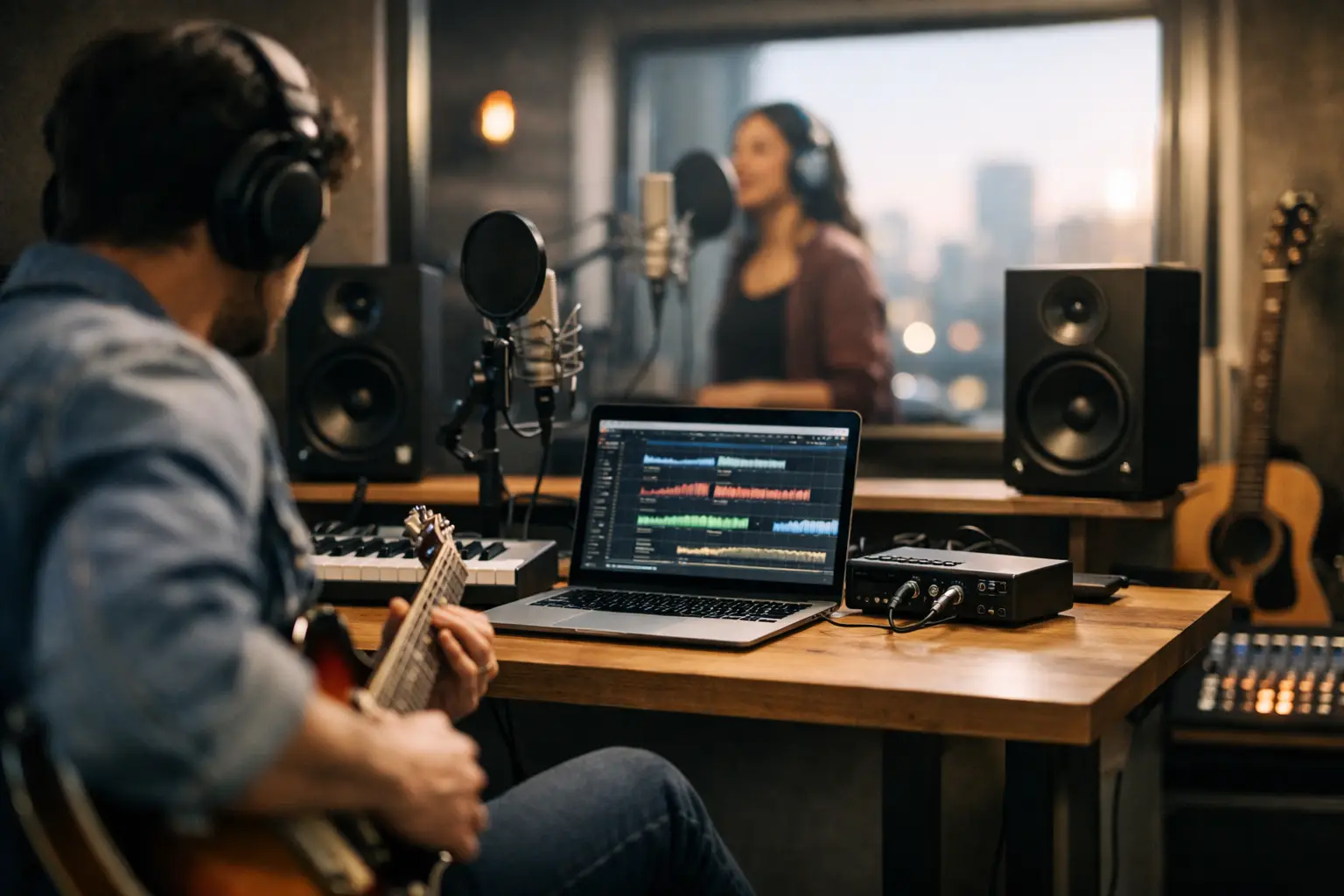
A decade ago, an independent artist could still be sold the old fantasy – get noticed, get signed, get pushed into the machine, and hope the machine keeps its promise. That model never worked for most musicians, and it matters even less now. The future of independent music careers belongs to artists who treat their catalog, identity, and audience connection as assets they build over time, not moments they rent from somebody else.
That shift is bigger than streaming, bigger than social media, and bigger than any single platform. It changes what a music career looks like, how fans discover artists, and how musicians create stability without sanding down what makes them original. For artists working in indie rock, alternative, singer-songwriter, and other identity-driven lanes, that is good news – but only if they understand where the real leverage is moving.
Why the future of independent music careers looks stronger
The strongest independent artists no longer need permission to release music professionally, reach listeners worldwide, or present their work with the same confidence once reserved for label-backed acts. Recording tools are more accessible, distribution is immediate, and audience discovery can happen across streaming platforms, video channels, direct sales pages, and social media at the same time.
That does not mean the road is easier. It means the gatekeepers have changed. Instead of a few executives deciding who gets heard, artists now face an endless attention economy where quality, identity, consistency, and presentation all matter. The upside is real. A serious musician can build a body of work, establish a recognizable sound, and grow a loyal audience without waiting for validation from a label system that often favors speed over longevity.
For independent artists with a defined voice, this matters. Listeners are still looking for songs with emotional weight, timeless melodies, and a point of view. They are not only chasing trends. In many cases, they are tired of them. The artists who endure are often the ones who sound like themselves from the first note.
Ownership will matter more than exposure
For years, exposure was pitched as the goal. Get more plays. Get more impressions. Get more reach. Exposure still has value, but on its own it is a weak currency. A million passive listeners can matter less than a thousand real supporters who save songs, buy music, share releases, and stay connected between projects.
The future of independent music careers will reward ownership at every level. That starts with master rights, publishing, visual identity, audience data, and direct fan relationships. When artists control their catalog, they have more options. They can release music on their own timeline, build long-term revenue from old and new songs, and shape their presentation without compromise.
This is where many artists face a real trade-off. Full independence offers control, but it also requires discipline. A label, manager, or outside team can still be useful if the partnership expands the artist’s reach without diluting the work. Independence is not about refusing help. It is about knowing the difference between support and dependency.
Streaming will stay important, but it will not be enough
Streaming is still the front door for discovery. That is not changing soon. Fans find artists through playlists, algorithmic recommendations, social clips, and shared songs. For many listeners, streaming is the first handshake.
It is rarely the whole relationship.
That is one of the central realities shaping independent careers now. Streaming builds visibility, but sustainable careers are built when listeners move deeper – following an artist across platforms, watching live sessions, buying directly, joining mailing lists, collecting physical releases, or showing up for performances. Artists who treat streaming as one layer of a larger ecosystem are usually in a stronger position than artists who build everything around monthly listener numbers.
This is especially true for musicians making album-oriented or emotionally immersive work. Not every song is designed for a quick swipe. Some music is meant to stay with people. Independent artists can build around that depth instead of apologizing for it.
Direct fan connection is becoming the real career engine
The most valuable audiences are not always the biggest ones. They are the ones who remember the songs, return to the catalog, and want a real connection to the artist behind the work. That kind of loyalty is harder to fake and more powerful than temporary virality.
Direct fan engagement gives independent musicians something labels used to control – a consistent line between the artist and the listener. Through official stores, email lists, exclusive content, behind-the-scenes storytelling, live performances, and personal updates, artists can create a stronger bond than a playlist placement ever could.
This does not mean every artist needs to become a full-time personality. In fact, many listeners are drawn to musicians who keep some mystery intact. The answer is not constant oversharing. It is intentional access. Give fans enough to feel connected to the work, the process, and the person, without turning the art into content churn.
For a brand like Nick Duane Music, where originality, catalog depth, and direct discovery already matter, this model fits naturally. Fans who care about artistic identity tend to value a closer path to the music.
The middle class of music will be built differently
One of the most interesting changes ahead is not about superstardom. It is about the return of a working artist class built on multiple revenue streams and stronger niche loyalty. Independent careers are becoming more modular.
A musician may earn from streaming, direct downloads, physical sales, sync placements, ticket sales, memberships, merchandise, licensing, and commissioned creative work. None of those streams alone may look massive. Together, they can support a serious career, especially when the catalog keeps working year after year.
This is a healthier model than chasing one breakout moment that may never convert into stability. It also rewards consistency. An artist with five strong releases and a recognizable identity often has more long-term leverage than an artist with one viral spike and no larger world around it.
Of course, it depends on genre, audience, and ambition. Touring may be essential for some artists and optional for others. Physical product may matter in one lane and barely move in another. The point is not to copy a formula. The point is to build a career architecture that fits the music.
AI, content pressure, and the value of real artistry
Technology will keep changing how music is made, distributed, and promoted. AI tools will help with editing, visual production, workflow, and marketing tasks. Some artists will use them well. Some will lean on them too heavily. The difference will come down to whether the technology supports the artist’s voice or replaces it.
Listeners can tell when music carries human weight. They may not always explain it in technical terms, but they feel the difference between something crafted and something assembled for speed. In an era flooded with imitation, originality becomes more valuable, not less.
That is one reason the future may favor artists with distinct songwriting, strong vocals, emotional conviction, and a clear sonic identity. When everything is available, what stands out is not volume. It is character.
There is also a practical side to this. As feeds become more saturated, audiences may rely even more on trust signals – artist history, consistent quality, credible presentation, and a catalog that proves depth. Professionalism will matter. So will taste.
What independent artists will need to do next
The artists who thrive will likely share a few habits. They will release work consistently without rushing unfinished music. They will present themselves professionally without sounding manufactured. They will treat every song not as disposable content, but as part of a larger body of work.
They will also think beyond a single platform. If one channel cools off, the career should still stand. That means building a real home for the music, maintaining direct access to listeners, and making it easy for fans to go from casual discovery to meaningful support.
Most of all, they will understand that independence is not a temporary phase before success. For many serious musicians, it is the success. It offers room to create original compositions with passion and excellence, protect the integrity of the sound, and build a career with staying power instead of short-term noise.
The future is not guaranteed, and it is not equally kind to every artist. But for musicians willing to build with intention, protect their identity, and value connection as much as reach, this is one of the most promising moments independent music has ever had. The smartest move now is simple: make work that lasts, and build a career strong enough to let it breathe.