
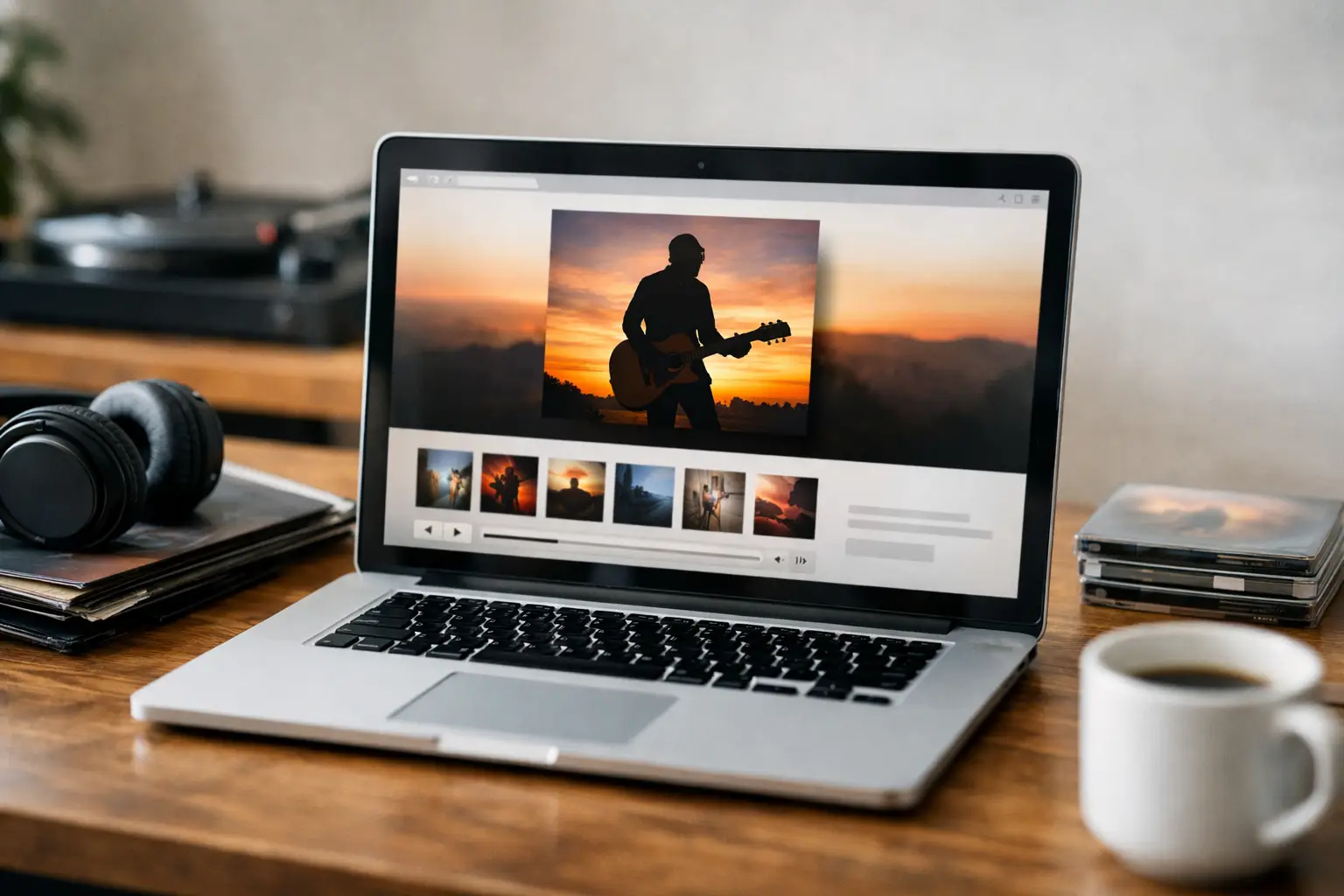
The best indie records rarely arrive with a giant ad campaign behind them. They spread because a song hits the right nerve, a vocal feels lived-in, or an album sounds like somebody made it because they had to, not because a market report said it would test well. If you want to buy indie rock album online, the real question is not just where to click. It is how to find music worth keeping, and how to support the artists making it.
For listeners who still care about albums as complete statements, buying music online can be more meaningful than passive streaming. You get a direct connection to the work, better control over how you listen, and in many cases a more direct way to support independent artists. That matters in indie rock, where the difference between background noise and a lasting catalog often comes down to whether listeners choose to invest in the music they believe in.
Why buy indie rock album online instead of only streaming?
Streaming is useful. It is fast, convenient, and often the first place people discover a new artist. But discovery and ownership are not the same thing. When you buy an album, you are saying this record deserves a permanent place in your life, not just a temporary spot in an algorithm.
That choice has practical value too. Purchased music gives you more freedom in how you listen, store, and revisit the album. It also tends to carry more weight for the artist. For independent musicians, direct purchases can make a real difference, especially when compared with the fragmented economics of streaming.
There is also a deeper reason album-oriented listeners keep buying music. Indie rock often works best as a full-body experience. The sequencing matters. The shifts in tone matter. The quieter songs reshape the louder ones. If an artist builds records with intention, buying the album respects that intention.
The best places to buy indie rock album online
Not every platform serves the same purpose, and that is where a lot of listeners get stuck. Some sites are built for convenience, some for fan support, and some for artist control. The right place depends on what you value most.
Official artist stores
If an artist has an official store, start there. This is usually the most direct path between listener and musician. You are buying from the source, which often means a better share of the sale reaches the artist. It can also mean access to exclusive formats, bonus content, or a cleaner presentation of the catalog.
For serious listeners, official stores also create context. You are not just seeing a thumbnail and a checkout button. You are seeing the music as the artist wants it presented, alongside visuals, release notes, and the larger identity behind the work.
Bandcamp and direct-to-fan platforms
Bandcamp remains one of the strongest spaces for independent music purchases because it was built with album culture in mind. It gives fans a straightforward way to buy digital albums, and often physical releases too, while keeping the artist front and center.
That said, it is not the only option. Many independent artists now combine platform visibility with direct sales through their own websites. If you discover an album on a platform and want to support the artist more directly, it is often worth checking whether they also sell music through their own store.
Digital marketplaces and mainstream stores
Mainstream digital stores still have a role, especially for listeners who want everything managed in one ecosystem. The trade-off is that these environments can flatten the artist experience. They are efficient, but they are not always built for discovery, atmosphere, or meaningful fan connection.
If your priority is simple access, they can work well. If your priority is finding original music with a stronger sense of identity, artist-first spaces usually offer more depth.
How to tell if an album is worth buying
Buying indie rock online should feel intentional, not random. The strongest purchases usually come after a little listening and a little reading. If an artist has made the effort to build a catalog with care, the signs are usually there.
Listen for identity, not just polish
A good indie rock album does not need to sound expensive. It needs to sound specific. You want to hear an artistic point of view, whether that comes through raw guitar textures, cinematic arrangement choices, or vocals that carry real emotional pressure.
Production quality matters, but character matters more. Some records are beautifully mixed and instantly forgettable. Others have rougher edges and stay with you for years because the songs feel alive. The goal is not perfection. The goal is conviction.
Check whether the album holds together
Singles can pull you in, but albums earn their value through coherence. Before you buy, look at whether the artist seems to be building a complete listening experience. Do the songs feel connected? Is there a mood, a narrative current, or a sonic world that carries through the record?
This is especially true for listeners drawn to alternative and singer-songwriter work. If you care about atmosphere, pacing, and emotional arc, an album should give you more than a collection of unrelated tracks.
Pay attention to the artist behind the release
Credibility in indie music does not come from hype alone. It comes from body of work, artistic consistency, performance history, and the sense that the artist is building something with long-term purpose. That does not mean every emerging musician needs awards or years of press. It means the presentation should reflect seriousness and craft.
When an artist combines originality with a professional approach, that is usually a strong sign the purchase will hold up over time.
Buy indie rock album online with more confidence
A smart purchase starts with a few simple checks. Look at the format being offered. Make sure you know whether you are buying a digital download, a CD, vinyl, or a bundle. If it is digital, check what file type is included and whether the download is high quality enough for your listening setup.
It is also worth checking how the album is presented. Is there cover art, track information, credits, and a clear release page? Serious artists usually treat these details as part of the work, not an afterthought. Presentation will not make weak songs stronger, but it often tells you how much care went into the release.
Price matters too, but context matters more. Independent albums are often priced fairly, and sometimes modestly, compared with the amount of effort required to write, record, produce, and release them. If a record genuinely connects with you, buying it is rarely just a transaction. It is a vote for more music like it.
Why direct support still matters in indie rock
Listeners often say they want original music, but originality survives on support, not sentiment. Independent artists are writing, recording, promoting, and sustaining careers without the machinery that pushes mainstream releases into every feed. Buying an album directly helps fund future work, and it sends a clear signal that there is an audience for music made with real intention.
That is one reason direct-to-fan music spaces matter so much. They create room for artists to be distinct. They also create a stronger relationship between the person making the record and the person living with it.
For an artist brand built around original compositions, immersive sound, and long-term musicianship, that relationship is not a side benefit. It is part of the mission. On a site like Nick Duane Music, the goal is not simply to stack streams. It is to give listeners a real path from discovery to deeper connection through direct listening and purchase.
The trade-off between convenience and connection
There is no single correct way to buy music online. Some listeners want the fastest route possible. Others want to know they are buying from the artist directly. Some care most about file quality, while others care about physical editions, artwork, or exclusives.
It depends on how you listen. If music is mostly a soundtrack to your day, a mainstream store may be enough. If albums are part of your identity, and if you return to records for mood, memory, and meaning, then artist-first buying experiences usually feel more rewarding.
That is really the dividing line. Convenience gets music into your library. Connection makes it stay there.
The next time a record stops you for more than a moment, do more than save it for later. Buy it. Give it a place beyond the playlist, and give the artist one more reason to keep making something original.